
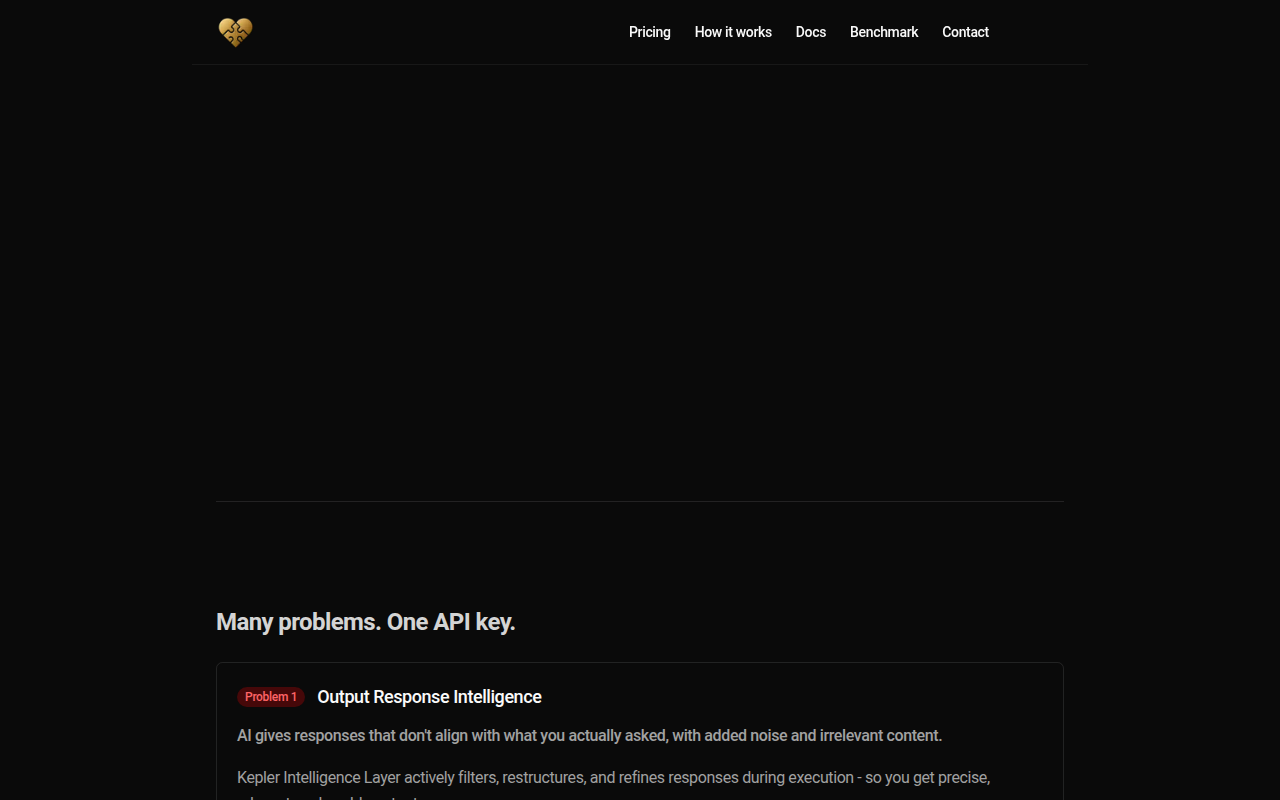
ACL- Adaptive Context Layer
The missing reliability layer for production AI.
The Adaptive Context Layer (ACL) provides a middleware infrastructure that sits between an application and large‑language‑model (LLM) APIs, handling context management, token optimization, telemetry, and billing control. It filters and restructures model responses to keep only relevant content, detects and breaks repetitive output loops, and automatically retries failed requests with exponential backoff. In addition, ACL monitors token usage, latency, and success metrics, exposing this data in real time for observability.
ACL is aimed at developers building production‑grade AI services such as agentic workflows, financial or legal automation, customer‑support bots, coding assistants, and LLM‑driven data pipelines. It offers a drop‑in integration that works with existing LLM gateways like LiteLLM, Portkey, or OpenRouter, and it signals events such as filtered output, loop detection, and token optimization.
What distinguishes ACL is its combination of response intelligence, automatic loop and failure recovery, and detailed token‑level telemetry, all delivered through a single API key. Benchmarks across multiple models—including Claude, GPT, Gemini, and Grok—show it outperforming direct AI calls in the majority of evaluated categories.
Reviews
Loading reviews…
Similar apps
AI Coding Agents
ClawTrace
Make your OpenClaw better, cheaper, and faster
AI Coding Agents
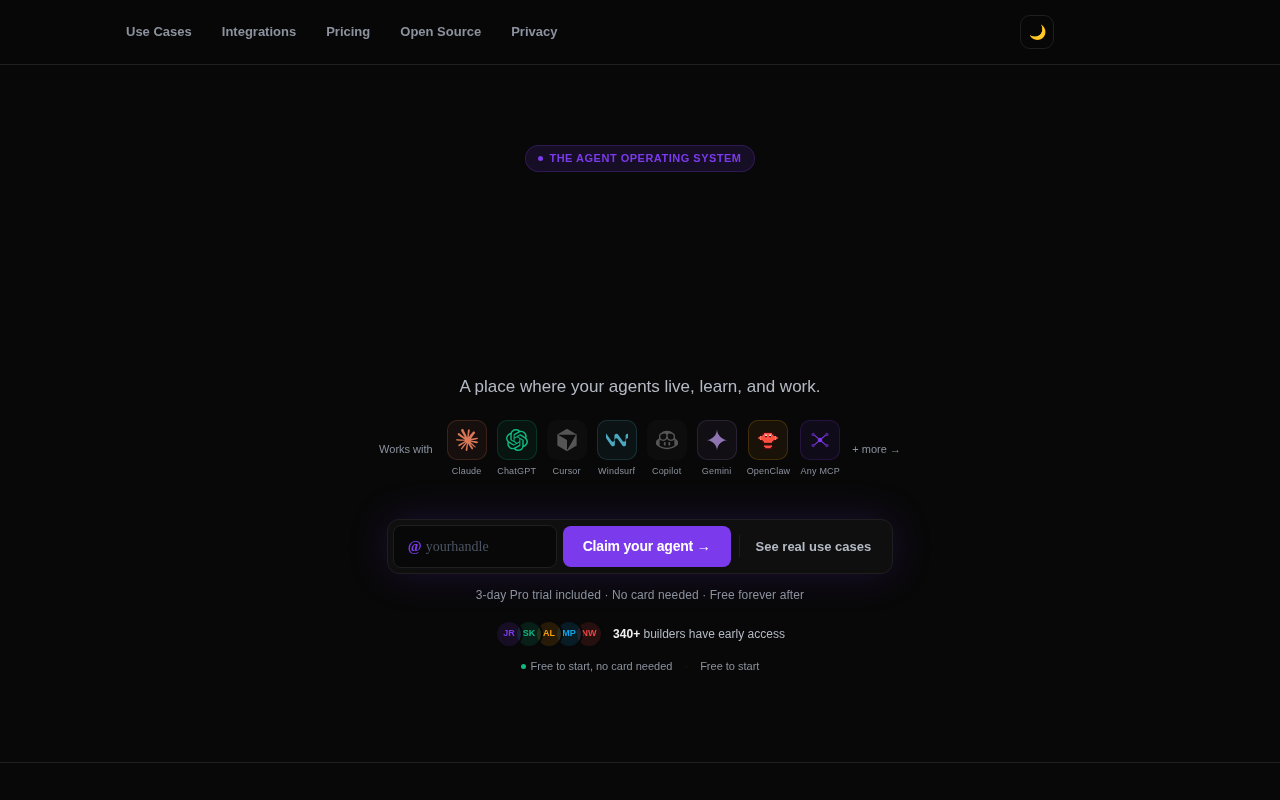
AgentID
Shared memory, identity and tasks. Lower token costs.
AI Coding Agents
KostAI
Cut LLM spend by up to 92 percent with governed routing

AI Coding Agents
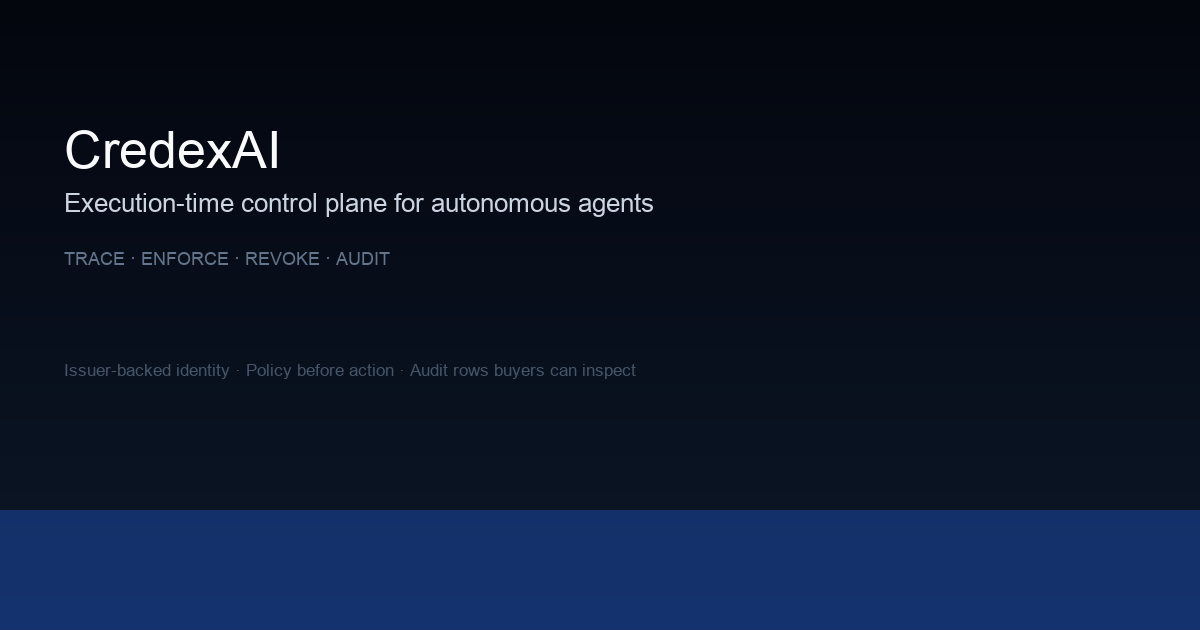
NEES Core Engine
Governed AI runtime for stable, traceable AI products
AI Coding Agents
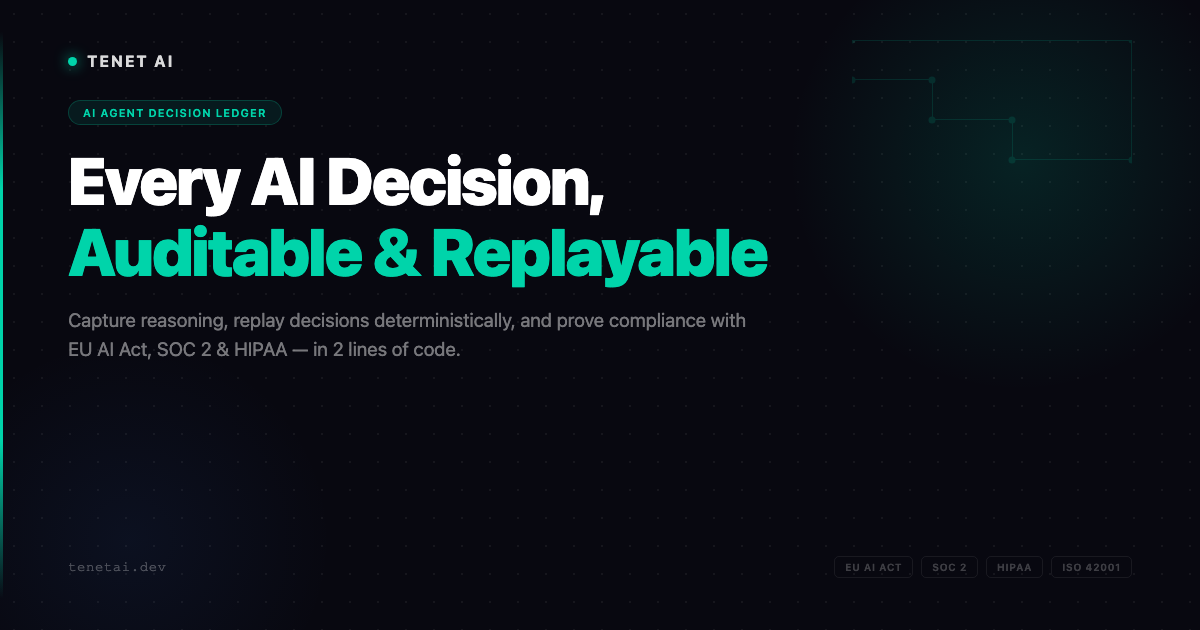
Tenet AI
Stop tracing AI errors. Start proving your AI decisions.
AI Coding Agents
Korven
AI agents can act. But they have zero security